
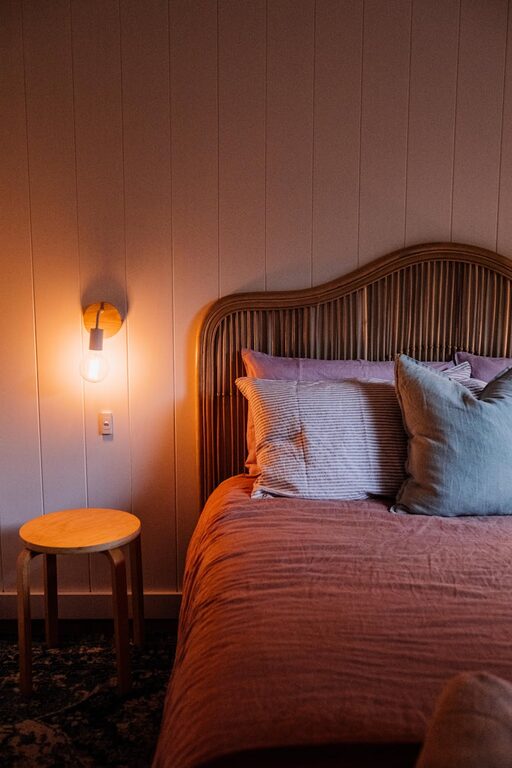
Creating a comfortable home environment is about more than just furniture and color schemes—it also depends heavily on your choice of lighting. Proper lighting can change the mood of a room, improve functionality, and even boost your well-being. However, choosing the right lighting for your home can feel overwhelming with so many options available. This guide offers practical tips for selecting comfortable home lighting that suits your space and lifestyle.
Understanding the Basics of Home Lighting
Before diving into specific tips, it’s helpful to understand the three primary types of lighting used in most homes:
Ambient Lighting
This is the main source of light in a room, providing overall illumination. Common fixtures include ceiling-mounted lights, chandeliers, and recessed lighting.
Task Lighting
Task lighting focuses light on specific areas where activities like reading, cooking, or working take place. Desk lamps, under-cabinet lights, and pendant lights are examples.
Accent Lighting
Accent lighting highlights particular features like artwork, plants, or architectural details. This creates depth and interest through spotlighting or wall washing.
Balancing these three layers ensures both comfort and functionality in your home’s lighting scheme.
Tips for Choosing Comfortable Home Lighting
1. Consider the Room’s Function
Different rooms have different lighting needs. Think about how you use each space:
– Living rooms benefit from warm, ambient lighting combined with softer task lights for reading.
– Kitchens require bright, clear task lighting, especially near counters and appliances.
– Bedrooms thrive on softer, warmer lights that promote relaxation.
– Home offices need bright, focused task lighting to reduce eye strain.
Knowing the primary use of each room will guide your lighting selection for comfort and effectiveness.
2. Choose the Right Bulb Color Temperature
The color temperature of lights, measured in Kelvins (K), affects the room’s mood:
– Warm white (2700K – 3000K): Creates cozy and inviting atmospheres, ideal for living rooms and bedrooms.
– Neutral white (3500K – 4100K): Provides balance, suitable for kitchens and bathrooms.
– Cool white (5000K – 6500K): Mimics daylight, best for workspaces where clarity and focus are needed.
Opt for bulbs that match the desired mood and function of your space. Many LED bulbs allow you to choose adjustable color temperatures for versatility.
3. Use Dimmers for Flexibility
Installing dimmer switches gives you control to adjust lighting levels throughout the day or in different situations. This flexibility helps create a comfortable environment whether you’re entertaining guests or winding down for the evening. Dimmers can be used with many types of bulbs but check compatibility before purchasing.
4. Prioritize Quality Over Brightness
More brightness isn’t always better. Overly bright lights can cause glare and discomfort, while too dim lights may strain your eyes. Choose lighting fixtures and bulbs that offer even, diffused light. Soft white and frosted bulbs help reduce harsh shadows. Consider adding lampshades or diffusers for a gentler glow.
5. Layer Your Lighting
Combining ambient, task, and accent lighting creates depth and balance that feels natural and comfortable. For example, supplement overhead lights with table lamps or floor lamps to create cozy corners. Use accent lighting to add visual interest and avoid flat, one-dimensional spaces.
6. Pay Attention to Fixture Style and Placement
Lighting fixtures contribute to your room’s overall style but their placement also affects comfort:
– Avoid lights directly above seating areas that can cause glare in eyes.
– Position task lighting close to where activities happen.
– Use adjustable fixtures that allow you to angle light where needed.
Good fixture placement prevents shadows and eye strain, improving both function and comfort.
7. Maximize Natural Light
Whenever possible, take advantage of natural daylight—it’s the most comfortable and healthy source of lighting. Use light window treatments to soften sunlight without blocking it entirely. Position mirrors and light-colored surfaces to reflect daylight deeper into rooms.
8. Consider Energy Efficiency
Comfortable lighting doesn’t have to come at a high energy cost. Choose LED bulbs as they use less energy, last longer, and produce less heat than traditional bulbs. Energy-efficient lighting reduces your electricity bills and environmental impact while maintaining a pleasant ambiance.
Final Thoughts
Choosing comfortable home lighting is about balance—between style and function, brightness and softness, and natural and artificial light. By considering each room’s purpose, selecting appropriate bulb temperatures, layering different lighting types, and using dimmers, you can create inviting and practical spaces that enhance your daily life.
Remember, good lighting sets the tone for your home. Take the time to experiment with different options and adjust as needed. With the right lighting choices, you’ll enjoy rooms that are not only beautiful but also comfortable and welcoming.